The Era of Media Vibe Creation
A product engineer’s perspective on the Hedra Agent launch: moving from individual generation tools to orchestration across video, image, and audio.
Adapted from my article originally published on LinkedIn.
Read original on LinkedInThe launch of Hedra Agent marked a change in how I thought about the creative workflow. As a Product Engineer at Hedra, I was helping build an experience that moved beyond a succession of individual generation prompts toward orchestration.
In my launch article, I called that direction “Vibe Creation”: keeping the creative intent central while the agent coordinates the work needed to turn it into media.
The agent as a director
AI video workflows can involve several separate tools: one for an image, another for a voice, and another to assemble the result. The user has to carry the idea, context, and formatting decisions from one step to the next.
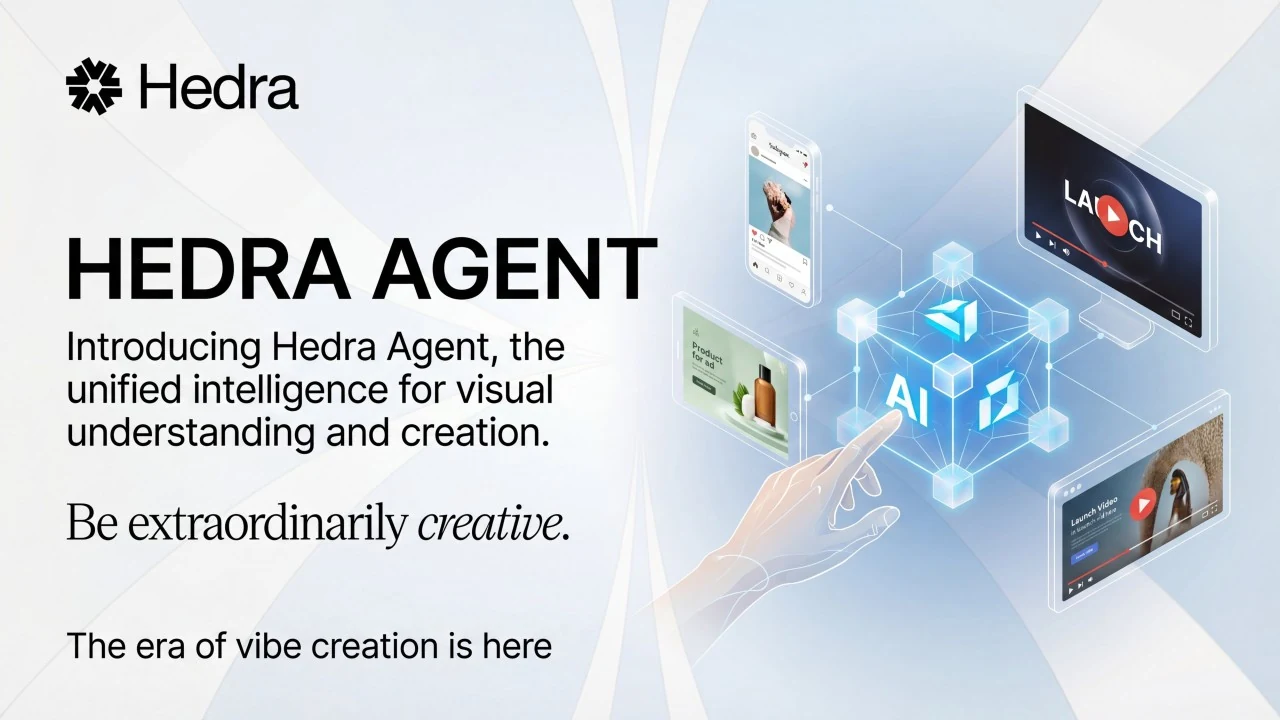
Hedra Agent brings visual understanding and creation into a unified workflow. Rather than only generating an isolated asset, it can orchestrate the execution around an intended outcome, including formatting, platform adaptation, and style.
That changes the interaction from managing every individual step to describing what the finished work should achieve.
From an idea to a campaign
The launch article described several parts of that experience:
- Performance: combining lip-sync, emotional expression, and movement in generated video.
- Campaign orchestration: taking a product idea through hero shots, synchronized audio, and a launch video shaped for social platforms.
- Recreating a format’s feel: using the structure and energy of a reference video while maintaining a brand’s visual style and voice.
The common thread is coordination. The product needs to carry an idea across the components of the workflow, rather than treating each generation as an unrelated request.
Synchronization is a product engineering problem
A video depends on how its components fit together. An image, a voice, and a sequence of motion can each look or sound convincing in isolation and still fail to communicate one coherent idea.
From a product engineering perspective, the interesting problem is synchronization across video, image, and audio. The agent needs enough shared understanding to keep the aesthetic intent consistent through the result.
This is why I described the agent as an orchestrator. Generating an asset is one part of the task; connecting the steps around the user’s intended outcome is the broader experience.
A launch perspective
This piece captures my perspective at the March 2026 launch. I was proud of what the team had built and interested in how an AI partner could understand someone’s creative intent across social posts, product ads, and launch videos.
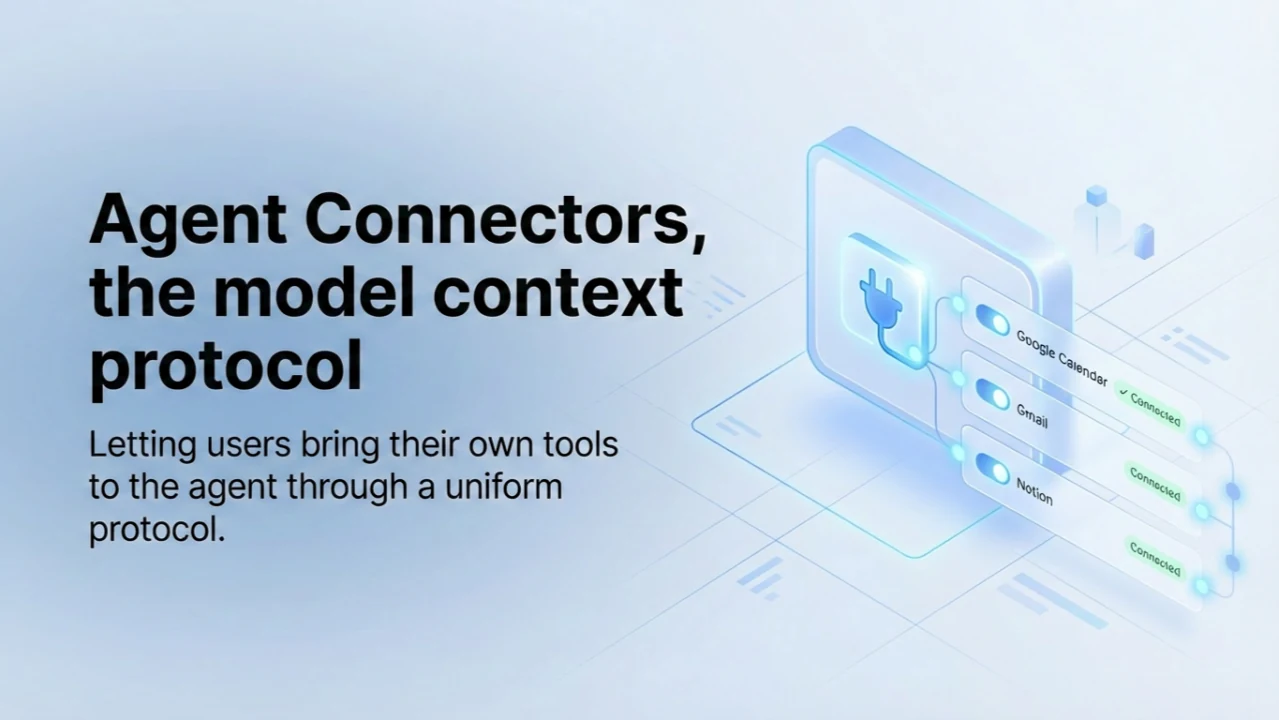
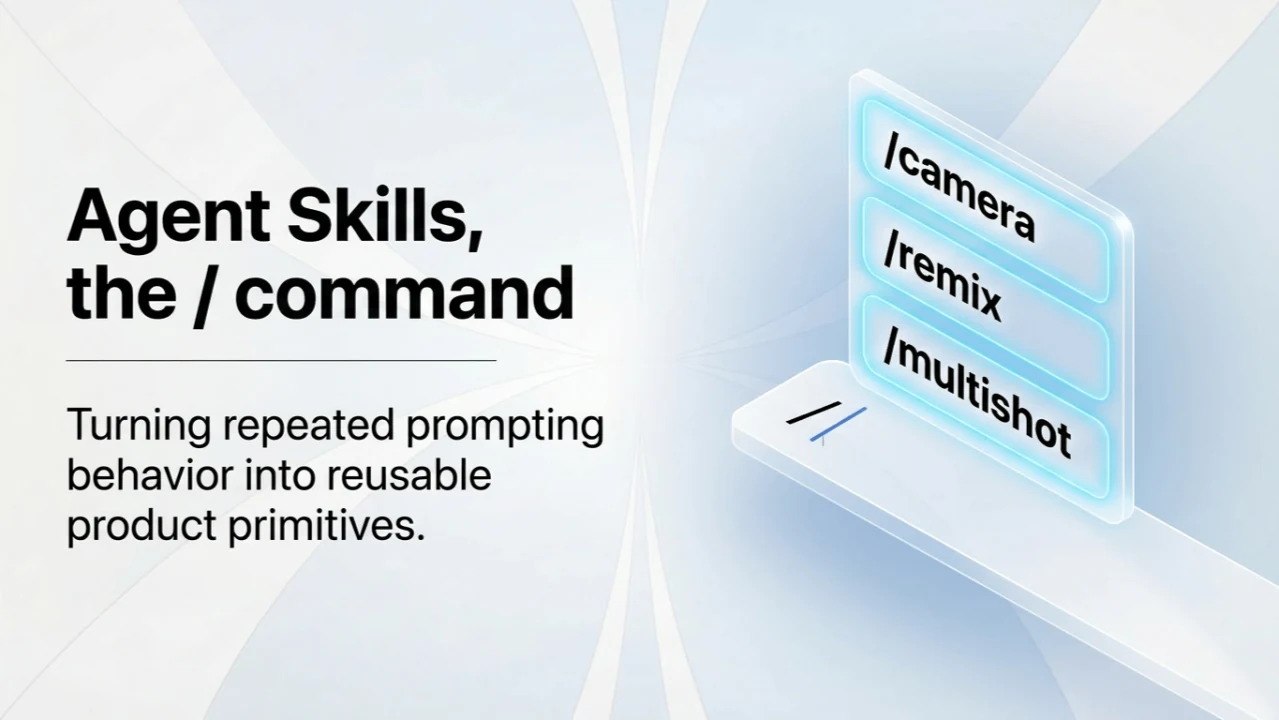
The next three articles in this collection go deeper into the product systems I built around that agent experience: structured @ context, reusable / skills, and per-conversation MCP connectors.
You can watch the official launch post or explore Hedra Agent.
Adapted from my LinkedIn article published March 10, 2026. The illustrations are reproduced from that launch article.